
What the Fed's September 2026 Rate Hike Means for Your Financial Plan
On September 16, 2026, the Federal Reserve raised its benchmark interest rate by a quarter of a percentage point — to a target range of 3.75% to 4.00%. It was the first rate increase since July 2023, and it was unanimous: all 12 voting members of the Federal Open Market Committee (FOMC) supported the move.
If you follow financial news, you've likely seen the headlines. But what does this actually mean for you — and for your financial plan?
This article explains what happened, why it happened, and what planning considerations people in different financial situations may want to think through as rates remain elevated heading into Q4 2026.

What the Federal Reserve Did — and Why
The Federal Reserve's primary tools for influencing the U.S. economy are raising and lowering the federal funds rate — the benchmark interest rate that banks use when lending to each other overnight. When this rate goes up, borrowing generally becomes more expensive across the economy. When it goes down, borrowing tends to become cheaper.
After a series of rate cuts in late 2025, the Fed held rates steady through most of 2026. Then, at its September 16 meeting, it reversed course.
The reasons cited in the official FOMC statement were straightforward: "Inflation remains elevated." The Committee stated that the rate increase was intended to support a timelier return to its 2% inflation goal. Fed projections released alongside the decision showed PCE (Personal Consumption Expenditures) inflation running at 3.7% in 2026, with a gradual moderation to 2.3% projected by 2027.
Several factors have kept inflation stickier than expected in 2026:
- Energy prices: Geopolitical developments have driven oil prices higher, contributing to elevated fuel and goods costs across the economy.
- Strong consumer spending: Domestic demand has remained resilient, which — while a positive economic signal — has also supported price pressures.
- Capital investment: Significant investment activity, particularly in technology and AI-related infrastructure, has contributed to competition for capital and upward pressure on long-term yields.
The Fed's updated Summary of Economic Projections also revised GDP growth upward, to 2.3% for 2026 and 2.4% for 2027, and lowered the unemployment projection to 4.1%. In other words: the economy looks reasonably healthy, which gave the Fed room to prioritize price stability.
Where Rates May Go From Here
One rate hike rarely tells the full story. What matters for financial planning is where rates are likely to go — and for how long they may stay elevated.
The September 2026 Summary of Economic Projections offered a meaningful signal: 16 of 18 FOMC participants indicated they expect at least one additional quarter-point rate increase before the end of 2026. The next FOMC meeting is scheduled for October 28, 2026.
Perhaps more notable is the longer-run picture. The median dot-plot projection for end-2027 is also 4.1% — essentially flat compared to end-2026. That means the committee is not currently projecting meaningful rate cuts in 2027. The longer-run neutral rate estimate also drifted slightly higher, to 3.2%.
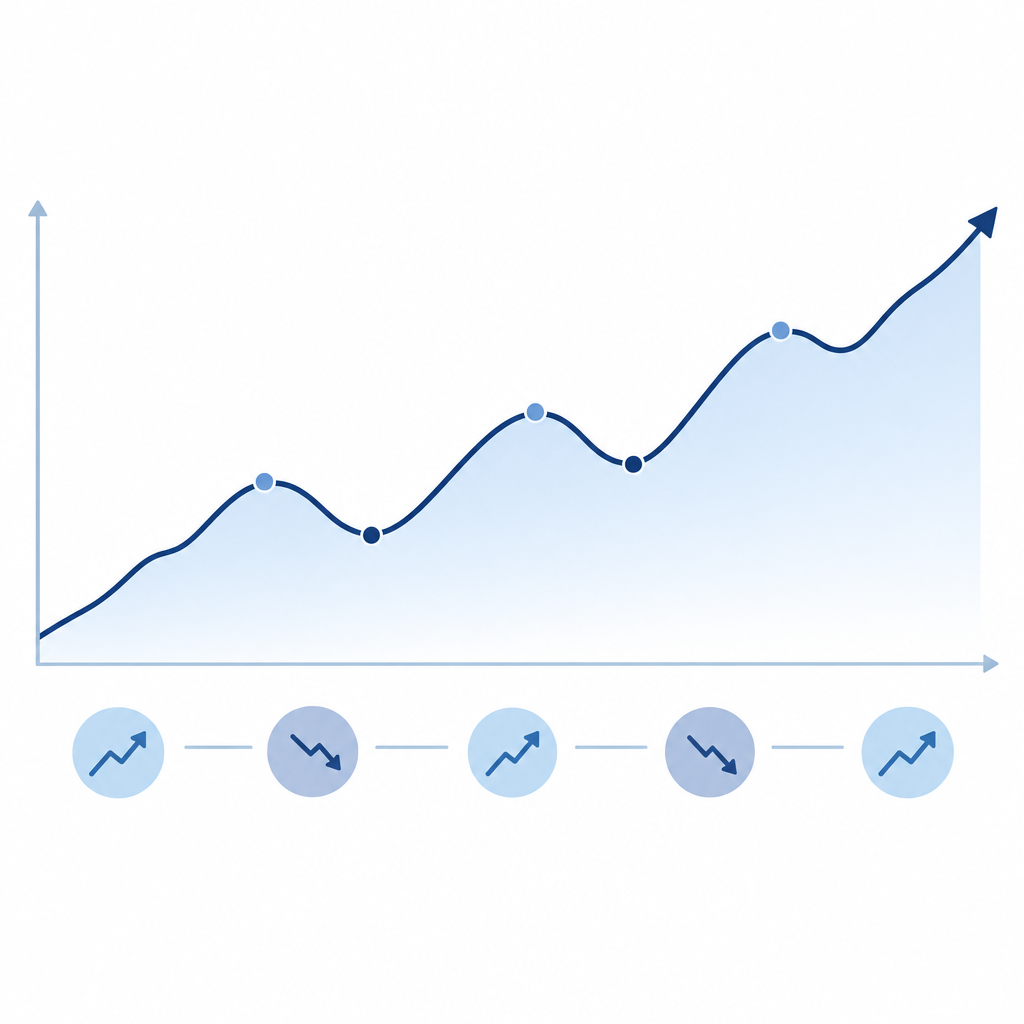
In plain terms: interest rates may remain higher than many people expected for longer than originally anticipated. That reality carries different implications depending on your financial situation.
What Rising Rates Can Mean for Different Areas of Your Financial Life
Interest rates touch almost every corner of personal finance. Here's how the current rate environment may be relevant to different aspects of your financial plan.
Savings and Cash Holdings
Higher interest rates generally mean higher yields on savings accounts, money market accounts, and short-term fixed-income instruments like Treasury bills and certificates of deposit (CDs). For savers, this environment can offer meaningful returns on cash that might have earned very little just a few years ago.
If you hold significant cash reserves — whether as an emergency fund, near-term spending reserves, or simply uninvested funds — it may be worth reviewing where those dollars are held and whether you're taking reasonable advantage of available yield. A financial advisor can help evaluate options appropriate to your situation and timeline.
Debt and Borrowing Costs
For borrowers, higher rates mean higher costs. This affects several common debt categories:
- Mortgages: The 30-year fixed-rate mortgage has risen significantly alongside the Fed's rate path — reportedly above 7% in September 2026. For those considering a home purchase or refinance, this environment meaningfully affects affordability calculations.
- Variable-rate debt: Credit cards, home equity lines of credit (HELOCs), and other variable-rate loans tend to move with prevailing rates. If you carry balances on variable-rate accounts, higher rates mean your interest costs have likely increased.
- Auto loans and personal loans: Rates on these products have generally risen as well, which can affect monthly payment calculations for planned purchases.
For those carrying high-interest debt, the current environment reinforces the value of having a clear debt-reduction strategy. The cost of carrying revolving balances is not inconsequential when rates are elevated.
Fixed-Income Investments and Bonds
Bond investors have faced a nuanced environment. When interest rates rise, existing bond prices generally fall — because newer bonds issued at higher rates become more attractive compared to bonds issued when rates were lower. This is a foundational concept called interest rate risk.
However, rising rates also mean that newly issued bonds and fixed-income instruments carry higher yields. For long-term investors or those building fixed-income portfolios, higher rates may present opportunities to lock in yields that weren't available a year or two ago — depending on individual goals and time horizons.
Treasury yields have risen substantially in 2026 — the 10-year Treasury has moved roughly a full percentage point from its February lows. This is a meaningful shift that may warrant a conversation about how your fixed-income exposure aligns with your overall financial plan.
Equity Markets and Long-Term Investment Portfolios
The relationship between interest rates and stock markets is complex and non-linear. Higher rates can create headwinds for certain equity sectors — particularly those that carry significant debt or that investors value based on future earnings projections. At the same time, a rate hike in the context of a healthy economy (as this one was) can signal something different than a hike during economic stress.
What the rate environment should generally not do is drive short-term reactive changes to a long-term investment plan. Market conditions change, and rate cycles are a normal part of economic history. Investors who have experienced multiple cycles are familiar with the pattern: rates go up, rates come down, and long-term financial plans built on diversified, goal-aligned strategies have historically navigated those cycles over time.
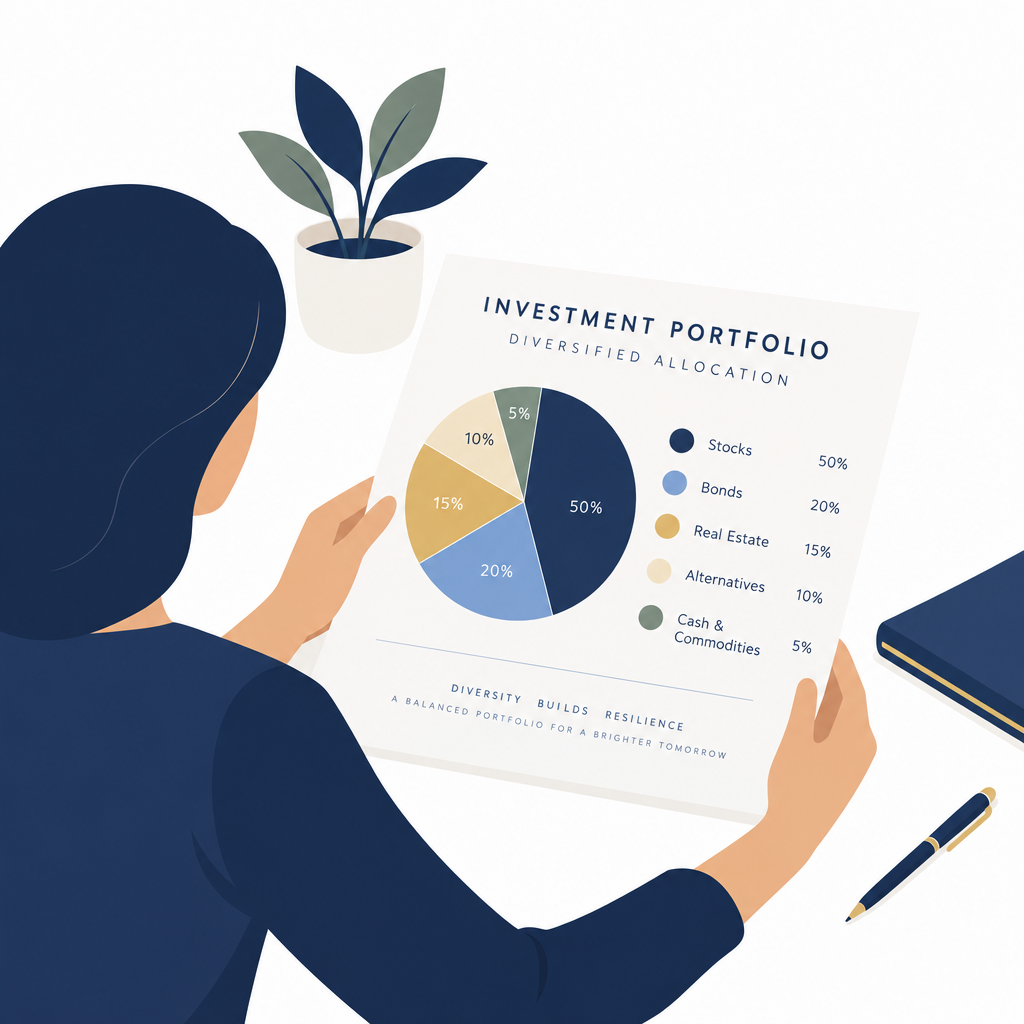
That said, the current environment is a useful reminder to review whether your portfolio's asset allocation — the mix of stocks, bonds, cash, and other assets — still aligns with your goals, time horizon, and comfort with risk.
Planning Considerations in a Higher-Rate Environment
Rather than reacting to each Fed decision, here are some broader planning considerations that are worth reviewing when the interest rate environment shifts:
Review your debt picture
List your outstanding debts, identify which carry variable rates, and assess whether your current repayment strategy remains appropriate. High-rate debt generally deserves priority attention regardless of the broader environment — but in a rising-rate climate, this becomes even more relevant.
Revisit your emergency fund and cash strategy
Make sure your short-term cash reserves are working appropriately for your situation. If you hold significant cash, are you earning a meaningful return on it? At the same time, maintaining appropriate liquidity — access to cash when you need it — remains important regardless of yield opportunities.
Evaluate your fixed-income exposure
If you hold bonds or bond funds, consider discussing with a financial professional how interest rate risk fits into your overall plan. Duration — the sensitivity of a bond or bond portfolio to rate changes — matters in a shifting rate environment.
Don't let rate headlines drive investment decisions
Reacting to each Fed announcement by shifting investment allocations is rarely a sound long-term strategy. Financial plans are built to endure changing conditions — including rate cycles. What matters more is whether your plan remains aligned with your goals, your time horizon, and your financial situation as it stands today.
Consider the full picture
Your financial plan encompasses more than any single economic variable. Retirement goals, savings targets, estate considerations, insurance needs, and business planning all remain relevant regardless of where the Fed sets rates. The rate environment is one input — not the whole story.
The Broader Economic Context
It's worth noting that the Fed's September 2026 rate hike occurred against a generally solid economic backdrop. The FOMC noted that economic activity is expanding at a solid pace, labor market conditions remain broadly healthy with unemployment projected near 4.1%, and productivity growth is strong.
The concern driving the hike was inflation persistence — particularly energy-driven price pressures — rather than a weakening economy. That distinction matters for how to interpret the move and what it may mean for the months ahead.
Forecasters broadly expect GDP growth of approximately 2.3%–2.4% for 2026, which suggests the economy is operating near its long-run potential pace despite the uncertainty. That's a different kind of rate-hike environment than one driven by crisis or contraction.
A Reminder About Long-Term Planning
Rate cycles have occurred throughout economic history. The Federal Reserve's job is to balance its dual mandate: supporting maximum employment and maintaining price stability. When inflation persists above target, raising rates is one of its primary policy tools.
For individuals, the most productive response to a rate change is usually not to make dramatic changes to a long-term financial plan — but rather to use the moment as an opportunity to review, ask questions, and make sure your plan remains appropriate for where you are today.
Are your savings working effectively? Is your debt managed thoughtfully? Does your investment allocation still reflect your goals and time horizon? These are the right questions to ask, regardless of what the Fed does next.
Financial decisions are rarely one-size-fits-all. If you'd like to talk through what the current interest rate environment means for your specific situation — whether that's your savings, your debt, your investments, or your broader financial plan — we're here to help. Schedule a consultation with Eden Advisory Services to start the conversation.
This article is for general educational purposes and should not be considered individualized investment, tax, or legal advice. Financial decisions should be evaluated based on your individual circumstances and, when appropriate, with qualified financial, tax, or legal professionals. Past performance does not guarantee future results.